A National Effort to Close the Mind-Gap in Sport
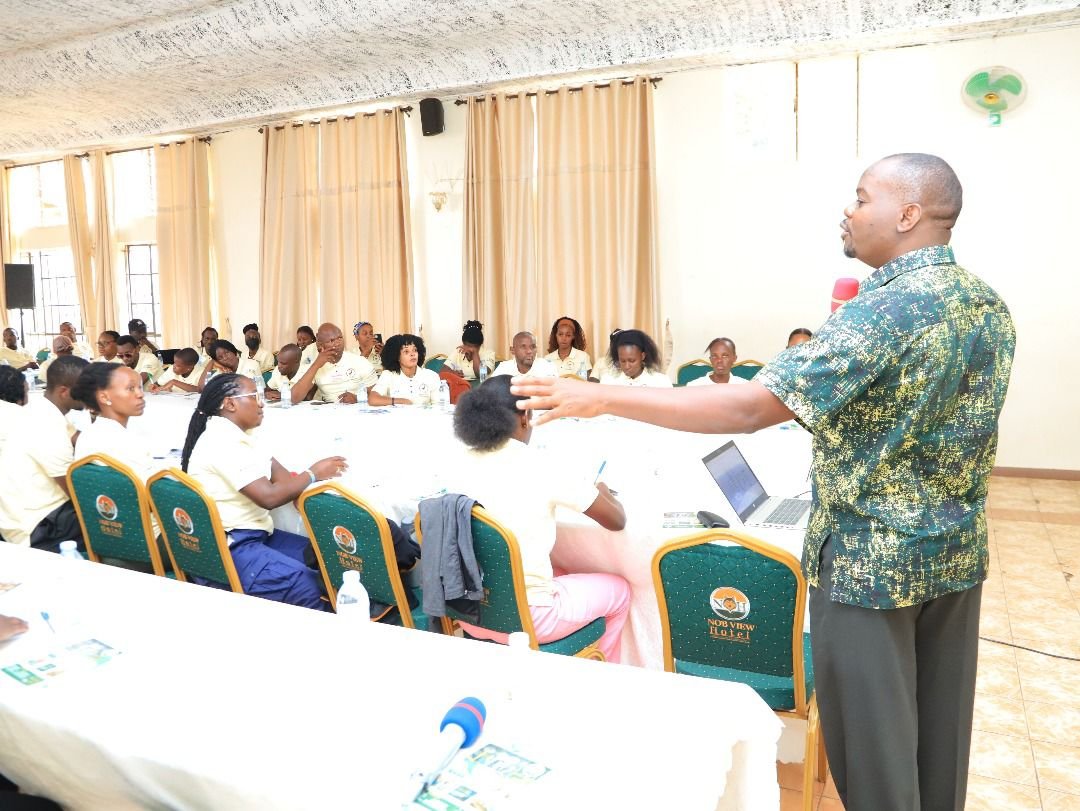
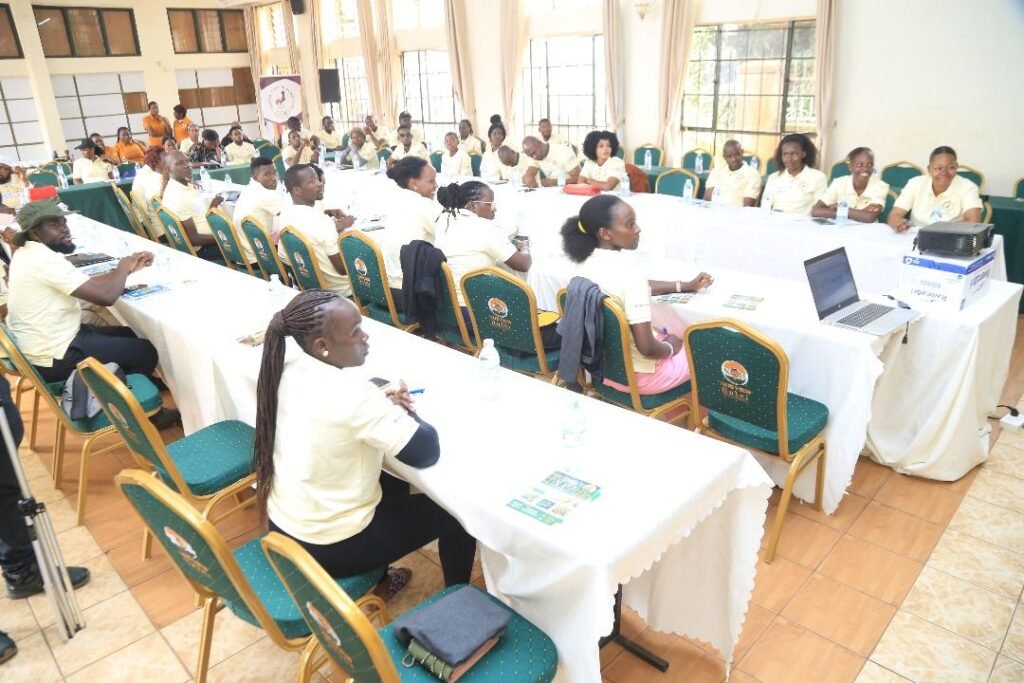
The Uganda Gymnastics Federation (UGF) proudly joined 33 other National Federations and Associations on 15 November 2025 for a landmark validation meeting hosted by the Gender Equity & Diversity Commission (GED-Commission) of the Uganda Olympic Committee (UOC). The high-level gathering, held at Nob View Hotel in Kampala, marked a significant step forward in Uganda’s national journey toward building a more inclusive, equitable and safe sporting environment for all.
The validation meeting focused on confirming the findings of the Mind-Gap Initiative—a comprehensive national assessment led by Dr David Mpima, a gender expert from Makerere University. This assessment reviewed equity, inclusion, safeguarding and governance practices across 34 sports bodies, identifying gaps that limit fair participation for; Women and girls, Persons with disabilities (PWDs), Refugees, Minority ethnic groups.
The findings highlighted challenges such as limited institutional frameworks, inadequate safeguarding measures, weak accountability systems, and cultural barriers that continue to shape participation patterns across the sports sector.
UGF’s Unique Position: Strengths & Areas for Growth
Where UGF Leads
During the discussions, the Uganda Gymnastics Federation was recognised for several positive strides:
* A 50% female-led Executive Committee
* Female President and Secretary General
* Strong female participation in gymnastics disciplines such as Rhythmic, Artistic, and Aerobic Gymnastics
Where UGF Needs Strategic Action
Like other federations, UGF faces challenges that need intentional attention:
- * Limited representation of boys in some gymnastics disciplines
- * Need to strengthen safeguarding structures and confidential reporting tools
- * Limited outreach to rural communities and refugee settlements
- * Gaps in policies addressing gender equity, PWD inclusion, and minority representation
- * Need for standardised leadership and coach training pathways
- * Limited financial and structural resources to support inclusion initiatives
Key Themes From the Validation Meeting
1. Institutional Framework & Governance Gaps
Many sports bodies lack updated constitutions, equity policies, safeguarding tools, or clear accountability structures. A striking 71% of NFAs lack formal safeguarding documents, and 82% have no confidential reporting mechanisms.
2. Practical Barriers in the Field
These include limited competition opportunities for women in some sports, inadequate leadership pathways, insufficient mentorship, and rural-urban disparities in athlete recruitment.
3. Cultural & Structural Challenges
Persistent gender stereotypes, limited role models, and misunderstandings about athlete rights continue to affect participation. For gymnastics in particular, cultural discomfort with competition attire remains a barrier in some communities.
Opportunities for UGF’s Future Strengthening
The meeting outlined powerful next steps for sports bodies, and UGF is committed to aligning with these recommendations.
* Develop a UGF Strategic Plan (2026–2030) including a Gender Equity & Inclusion Action Plan
* Review and update all policies to align with UOC, FIG, and IOC standards
* Establish a Gender Equity & Safeguarding Subcommittee
* Recruit a Safeguarding Lead Officer
* Introduce confidential whistleblowing systems
* Increase technical and leadership training for coaches, judges and administrators
* Strengthen school outreach, rural recruitment and refugee engagement
* Expand para-gymnastics and acquire adaptive equipment for PWD athletes
* Produce multilingual training tools and promote community dialogues
* Collaborate with national and international partners (UN Women, UNHCR, FIG, UOC, UPSSA, USSSA)
These reforms will support accountability, improve athlete safety, expand participation, and ensure gymnastics in Uganda remains accessible, inclusive and globally aligned.
Conclusion
The validation of the Mind-Gap Initiative findings marks a turning point for Ugandan sport. For the Uganda Gymnastics Federation, the meeting provided invaluable insight into the existing gaps and the pathways to meaningful reform. UGF reaffirms its commitment to building a gymnastics culture where every child, youth, and adult—regardless of gender, ability, or background—feels safe, supported and represented. We look forward to working closely with the UOC, the GED-Commission, fellow federations and international partners to create a future where gymnastics truly belongs to everyone.
If you would like more information please contact UGF via our email info@ugandagymnasticsfederation.com or let’s chat on our social media channels.